

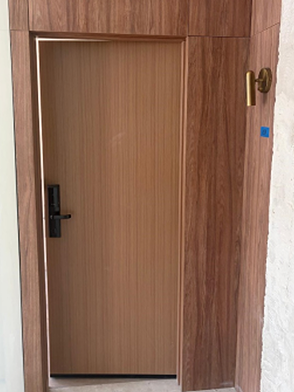
Whether you’re managing a new commercial construction project, renovating an existing facility, or replacing aging building components, selecting the right commercial door package is one of the most important decisions you’ll make. Doors are more than entry points—they play a critical role in security, fire safety, accessibility, energy efficiency, and the overall functionality of a building.
From warehouses and hospitals to schools, office buildings, hotels, and industrial facilities, every commercial project has unique requirements. Choosing the wrong door system can result in costly delays, maintenance issues, or compliance problems. On the other hand, selecting the right package from the beginning ensures a smoother installation process and long-term performance.
Understanding Commercial Door Packages
A commercial door package is more than just the door itself. It typically includes:
- Commercial steel or wood-grain doors
- Hollow metal frames
- Hinges and hardware
- Locksets and cylinders
- Door closers
- Vision glass and louvers
- Weatherstripping and thresholds
- Fire-rated components (when required)
Purchasing a complete package ensures that every component is designed to work together, reducing installation issues and improving overall reliability.
Start with the Building’s Purpose
The first step in selecting the right door package is understanding how the opening will be used.
Different facilities have different operational requirements.
For example:
- Hospitals require fire-rated doors, infection-resistant finishes, and accessibility compliance.
- Warehouses prioritize durability, security, and heavy-duty hardware.
- Schools need reliable hardware, fire protection, and high-traffic performance.
- Hotels often combine aesthetics with fire safety and sound control.
- Government buildings require secure access and code-compliant installations.
Matching the door package to the building’s purpose helps ensure long-term performance while meeting project specifications.
Consider Fire Rating Requirements
Fire-rated doors are essential for many commercial buildings. They help slow the spread of fire and smoke, providing occupants with valuable time to evacuate safely.
Fire-rated openings commonly include:
- Stairwells
- Corridors
- Mechanical rooms
- Electrical rooms
- Exit pathways
Fire ratings typically range from 20 minutes to 3 hours, depending on building codes and project specifications.
Choosing certified fire-rated doors, frames, and hardware ensures compliance with local regulations while improving overall building safety.
Steel Doors vs. Wood-Grain Steel Doors
Commercial projects often require choosing between traditional steel doors and architectural wood appearances.
Steel Doors
Steel doors remain the industry standard because they offer:
- Exceptional durability
- High security
- Excellent fire resistance
- Low maintenance
- Long service life
They’re commonly used in industrial facilities, warehouses, schools, healthcare buildings, and government projects.
Wood-Grain Steel Doors
Wood-grain steel doors combine the appearance of natural wood with the strength of commercial steel.
Benefits include:
- Premium architectural appearance
- Lower maintenance than traditional wood
- Improved durability
- Fire-rated options
- Better resistance to moisture and impact
These doors are ideal for offices, hotels, healthcare facilities, multifamily developments, and educational buildings where aesthetics are important without sacrificing performance.
Don’t Overlook the Door Frame
The frame is just as important as the door itself.
A poorly manufactured frame can lead to alignment issues, difficult installations, and premature hardware failure.
Commercial projects typically use several frame types:
Hollow Metal Frames
The most common option for commercial applications, offering superior strength and long-term durability.
Drywall Frames
Designed specifically for finished drywall construction with clean installation and professional appearance.
Masonry Frames
Ideal for concrete block and masonry walls commonly found in schools, industrial buildings, and government facilities.
Welded Frames
Factory welded for maximum rigidity and precise alignment.
Knock-Down Frames
Shipped in separate pieces for easier transportation and assembled during installation.
Selecting the appropriate frame ensures proper operation throughout the life of the opening.
Hardware Matters More Than You Think
Commercial hardware experiences thousands of cycles every year.
Choosing quality hardware reduces maintenance costs and improves building security.
A complete hardware package may include:
- Hinges
- Exit devices
- Panic hardware
- Cylinders
- Locksets
- Door closers
- Push and pull plates
- Stops and holders
- Flush bolts
- Coordinators
- Thresholds
- Weatherstripping
- Electrified hardware
- Access control components
Coordinating all hardware before manufacturing minimizes field modifications and installation delays.
Think About Future Maintenance
Commercial buildings are designed for decades of use.
When evaluating door packages, consider long-term maintenance requirements.
Questions to ask include:
- Can damaged hardware be easily replaced?
- Are replacement parts readily available?
- Will the finish withstand daily traffic?
- Is the opening designed for heavy commercial use?
- Can future upgrades be added?
Choosing durable products often lowers the total cost of ownership over the life of the building.
Engineering and Project Support
Large commercial projects rarely involve standard openings.
Many require:
- Custom dimensions
- Special hardware preparation
- Vision glass
- Louvers
- Electrified hardware
- Fire-rated configurations
- ADA compliance
- Security requirements
Working with a supplier that provides engineering support can help identify potential issues before manufacturing begins.
Project reviews also reduce costly revisions later in the construction schedule.
Why Complete Packages Save Time
Ordering doors, frames, and hardware separately often creates coordination challenges.
Different suppliers may interpret specifications differently, leading to mismatched products and installation delays.
A complete opening package offers several advantages:
- One supplier
- Coordinated manufacturing
- Reduced ordering errors
- Simplified logistics
- Faster installation
- Better compatibility between components
This approach is especially valuable for contractors managing large commercial projects with strict schedules.
The Importance of Accurate Project Information
Providing complete project documentation results in faster and more accurate quotations.
Preferred documents include:
- Door schedules
- Architectural plans
- Hardware schedules
- Specifications
- Life-safety drawings
- Opening schedules
- Excel takeoffs
- PDF construction drawings
The more detailed the information, the easier it is to recommend the correct products and prepare accurate pricing.
Nationwide Supply and Logistics
Commercial projects often involve multiple delivery locations or phased construction schedules.
Working with a supplier capable of nationwide shipping helps ensure materials arrive when needed.
Reliable logistics reduce downtime and keep projects moving forward, particularly for contractors managing projects across different regions.